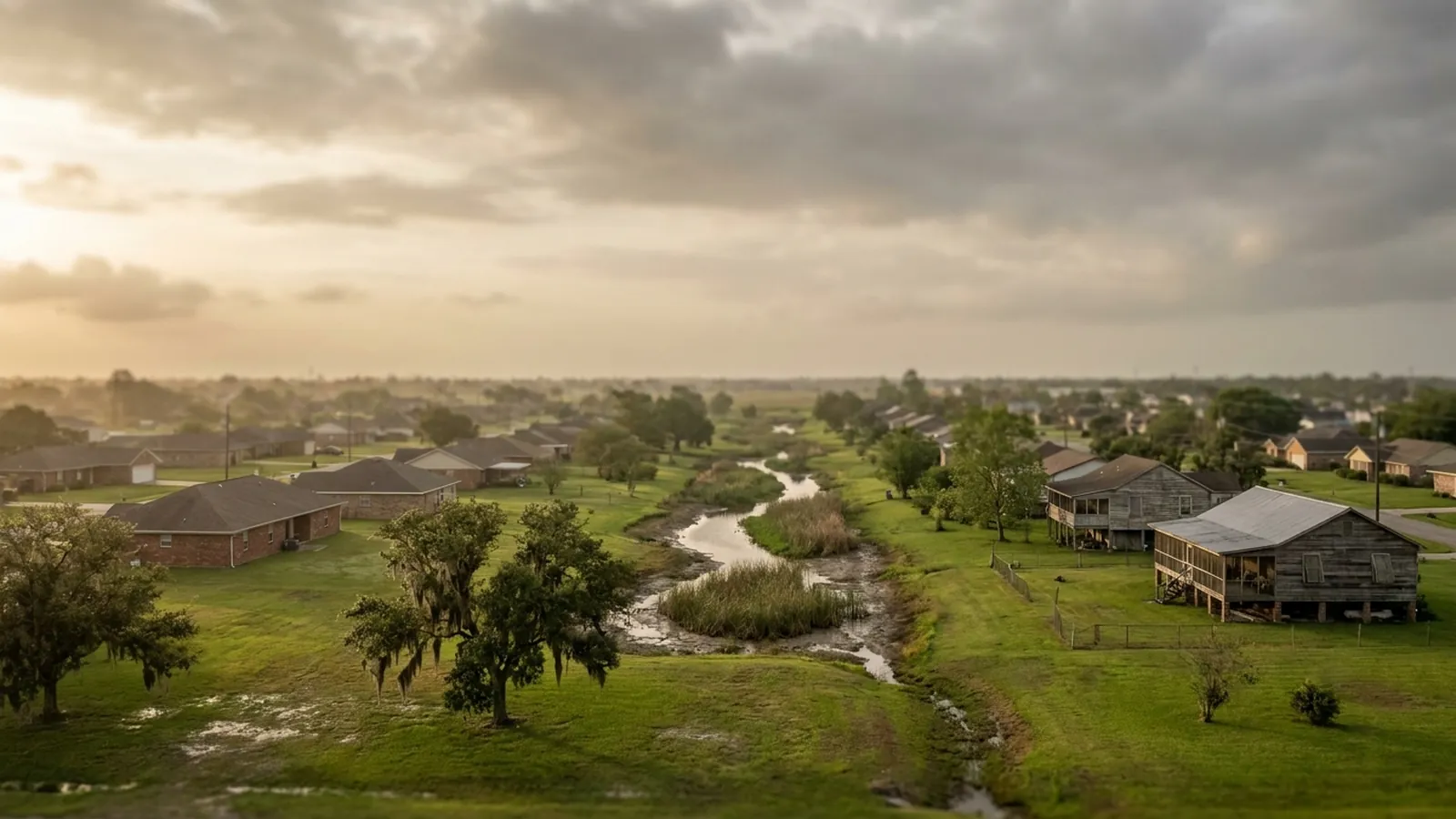
Sill and joist repair in Lafayette runs $1,500–$8,000, set by how many members are affected and by crawl space access. Damp ground under a raised house keeps structural timber wet, and wet wood is what both rot and termites want. Ask whether the site visit is charged.
What to look for, the difference between rot and insect damage, and the line between a foundation specialist’s work and a pest controller’s.
Why this follows from the soil
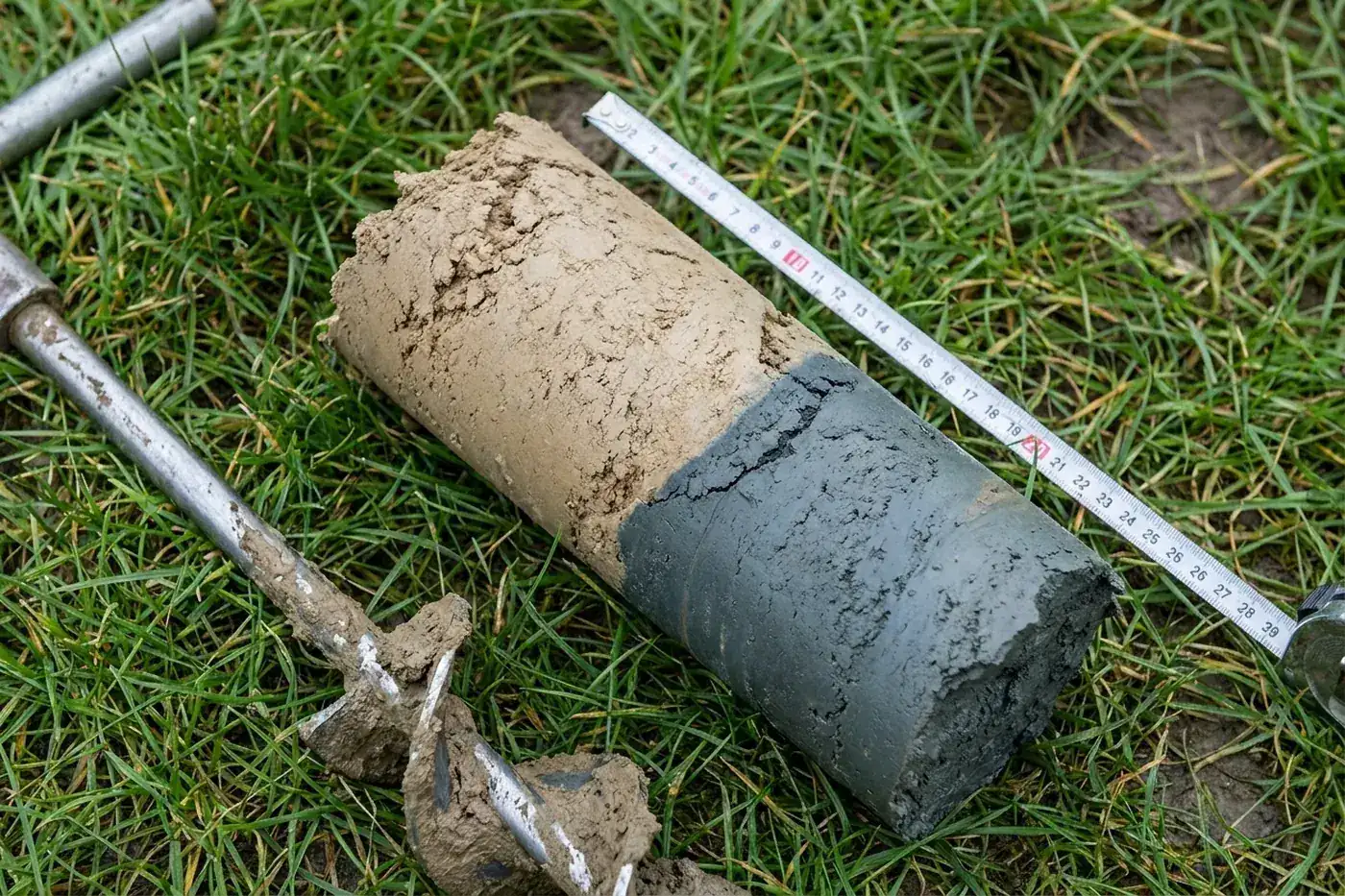
Everything else on this site is about water that perches on a dense horizon and cannot drain away. Under a raised house that has a second consequence beyond bearing: the crawl space sits over persistently damp ground, humidity stays high, and the structural timber nearest to it never properly dries.
Sills, the outer joists and the ends of floor joists where they bear are the members closest to that. They are also the members carrying the most load at the perimeter, which is why deterioration there shows up as a soft floor rather than as a cosmetic problem.
What to look for
- Soft or spongy floor near exterior walls, particularly at corners
- A musty smell coming up from the crawl space or through floor vents
- Discolouration on the underside of the floor structure, if you can get a light under there
- Skirting and trim deteriorating from the bottom up rather than generally
- Anything a termite inspection flagged that nobody has repaired yet
Rot, insects, or both
| Rot | Insect damage | |
|---|---|---|
| What it is | Fungal decay in timber that stays wet | Insects consuming the wood |
| Appearance | Darkened, crumbling, often cubed or stringy | Galleries and tunnelling, sometimes with soil packed in |
| Condition it needs | Persistent moisture | Also favours moisture, and not exclusively |
| Who repairs the structure | The foundation specialist | The foundation specialist |
| Who deals with the cause | Drainage and ventilation | A licensed pest control operator, not the foundation specialist |
They frequently occur together because they like the same conditions, and the same damp crawl space produces both.
Where the foundation work stops, plainly
A foundation specialist repairs and replaces damaged structural timber. They do not identify species, confirm whether an infestation is active, or treat one. That is licensed pest control work and handing it to a foundation contractor would be doing you no favours.
What is out there locally is worth knowing about, and it has its own page here rather than a paragraph. The short version: Louisiana has an invasive species that is a considerably bigger problem than the native one, and if a treatment question arises during the structural work, a good specialist will say so and step back.
New timber on the same ground
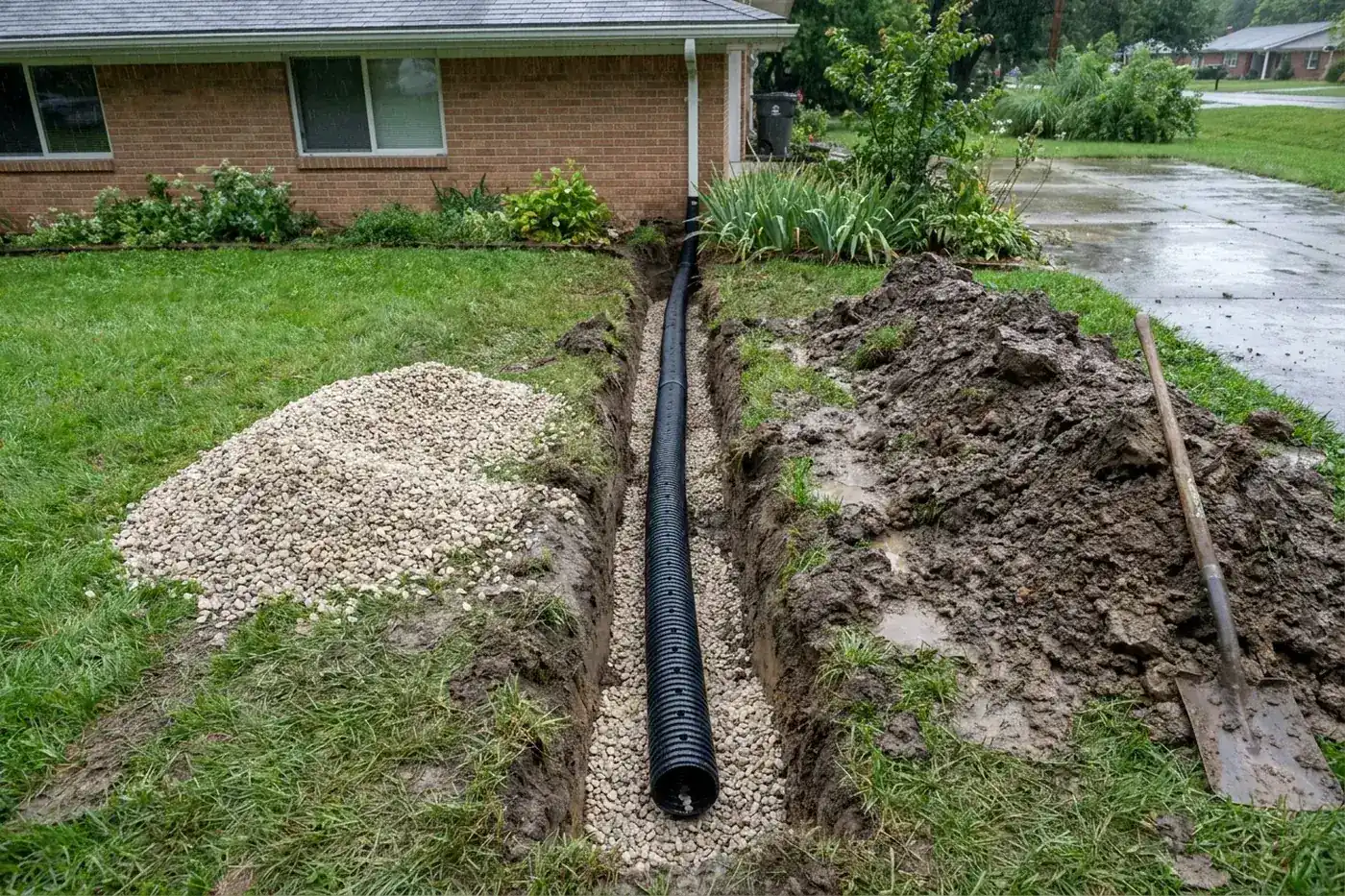
Replacing affected members and leaving the crawl space as wet as it was puts fresh wood on the trajectory the old wood was already on. So this work belongs next to getting the water out rather than instead of it, and where a house is also sitting unevenly it belongs alongside releveling.
Sills and joists, answered plainly
What does sill and joist repair cost?
Typically $1,500-$8,000 depending on how many members are affected and how bad the access is. Replacing a short run of sill in a crawl space with reasonable clearance is a different job from working under eighteen inches of headroom.
Why does this happen more on raised houses?
Because the timber closest to the ground stays damp when the ground stays damp. On soil where water perches rather than draining, the space under a raised house can hold humidity for long stretches, and wet wood is what rot and insects both want.
How do I know if I have it?
Soft or spongy floors near exterior walls, a musty smell from the crawl space, visible discolouration on the underside of the floor structure, and skirting or trim that has begun to deteriorate at the bottom. A look underneath settles it.
Is this termite damage or rot?
Sometimes both, and they favour the same conditions. Rot is a fungal process in persistently wet timber. Termites are insects. A foundation specialist can tell you which pattern the damage matches and repair the structure either way, but identifying and treating an active infestation is a licensed pest control job, not theirs.
Are Formosan termites really that bad here?
LSU AgCenter records them as the most destructive structural pest in Louisiana, now present in 42 of the state's 64 parishes. Colonies reach around 10 million individuals against roughly 1 million for the native species. That is a pest control matter and worth taking seriously.
Will fixing the wood stop it recurring?
Only if the moisture is dealt with too. New timber in a crawl space that stays wet is new timber on the same trajectory. That is why this page sits alongside drainage rather than on its own.
Book a Lafayette site visit
The single most useful thing you can tell us is what your yard does after heavy rain — whether water stands, for how long, and in which corner. On this ground that observation narrows the diagnosis further than any description of a crack. Say whether the house is raised or on a slab too. A local specialist serving Lafayette calls you back.