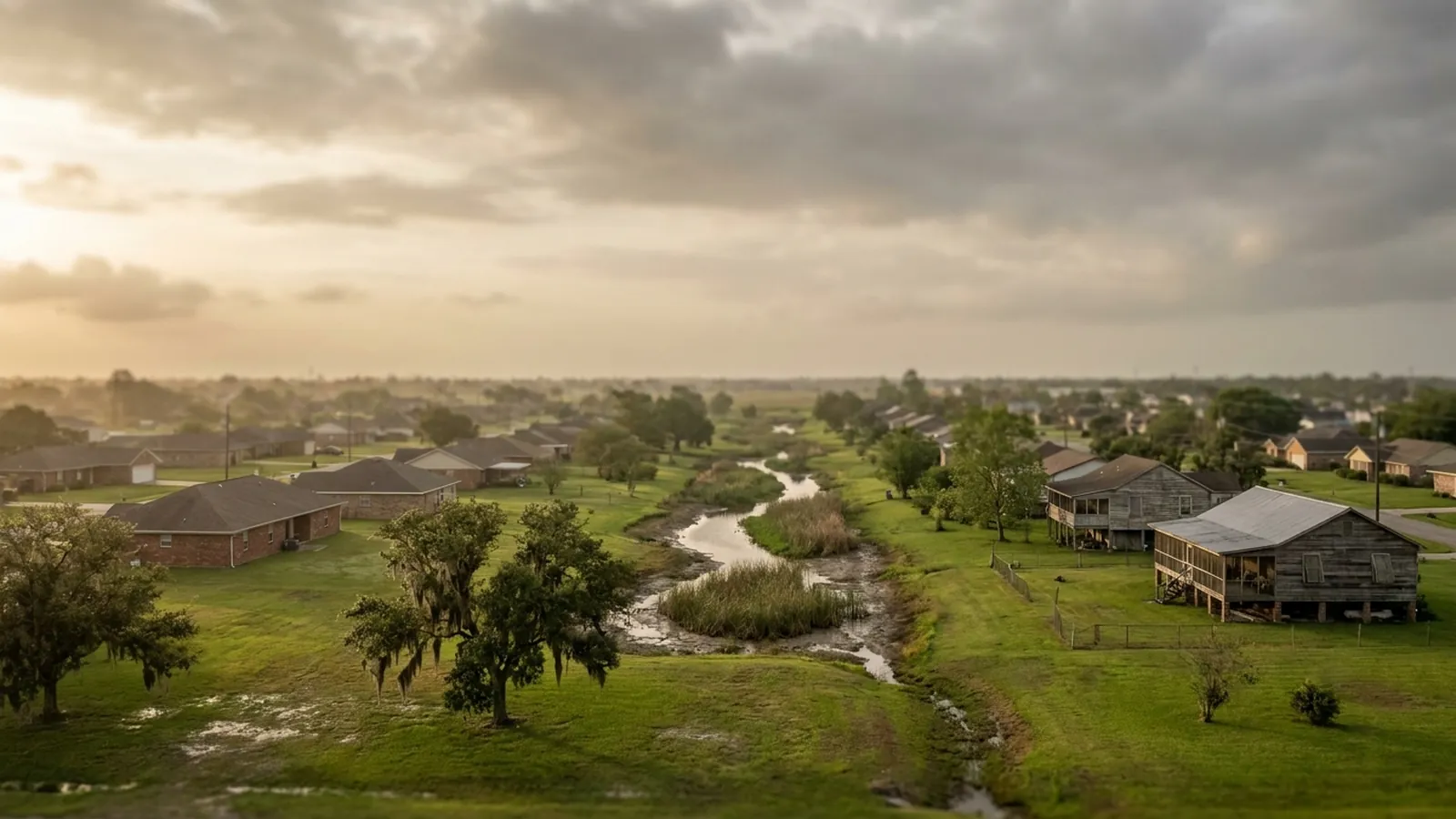
Termite damage affects raised houses, not slabs — the target is structural timber. LSU AgCenter records the Formosan subterranean termite as Louisiana’s most destructive structural pest, in 42 of 64 parishes. A foundation specialist repairs the structure; treatment is a licensed pest trade.
Why it turns into a foundation call, what the local species actually is, and the order the two trades have to work in.
Why this turns into a foundation repair call
Because on a raised house the structural timber is the foundation, in every sense that matters to somebody standing on the floor. Sills, beams and joists carry the building. Damage them and the floor slopes, bounces and eventually gives — which is indistinguishable, from inside, from a support settling into soft ground.
So the call goes to a foundation specialist. Frequently the homeowner has had a termite inspection, been told there is damage, and now needs to know what it means structurally and what it costs to put right.
On a slab house the question barely arises. There is no structural timber near the ground, and concrete is not food.
What is actually out there
The LSU AgCenter is the authority worth reading on this, and the figures are worth knowing:
- The Formosan subterranean termite is recorded as the most destructive structural pest in Louisiana
- It is now present in 42 of the state’s 64 parishes
- Colonies reach around 10 million individuals, against roughly one million for the native subterranean species
That is a pest control problem of a different order from the one most of the country deals with, and it is a good reason to take an inspection finding seriously rather than filing it.
The moisture connection
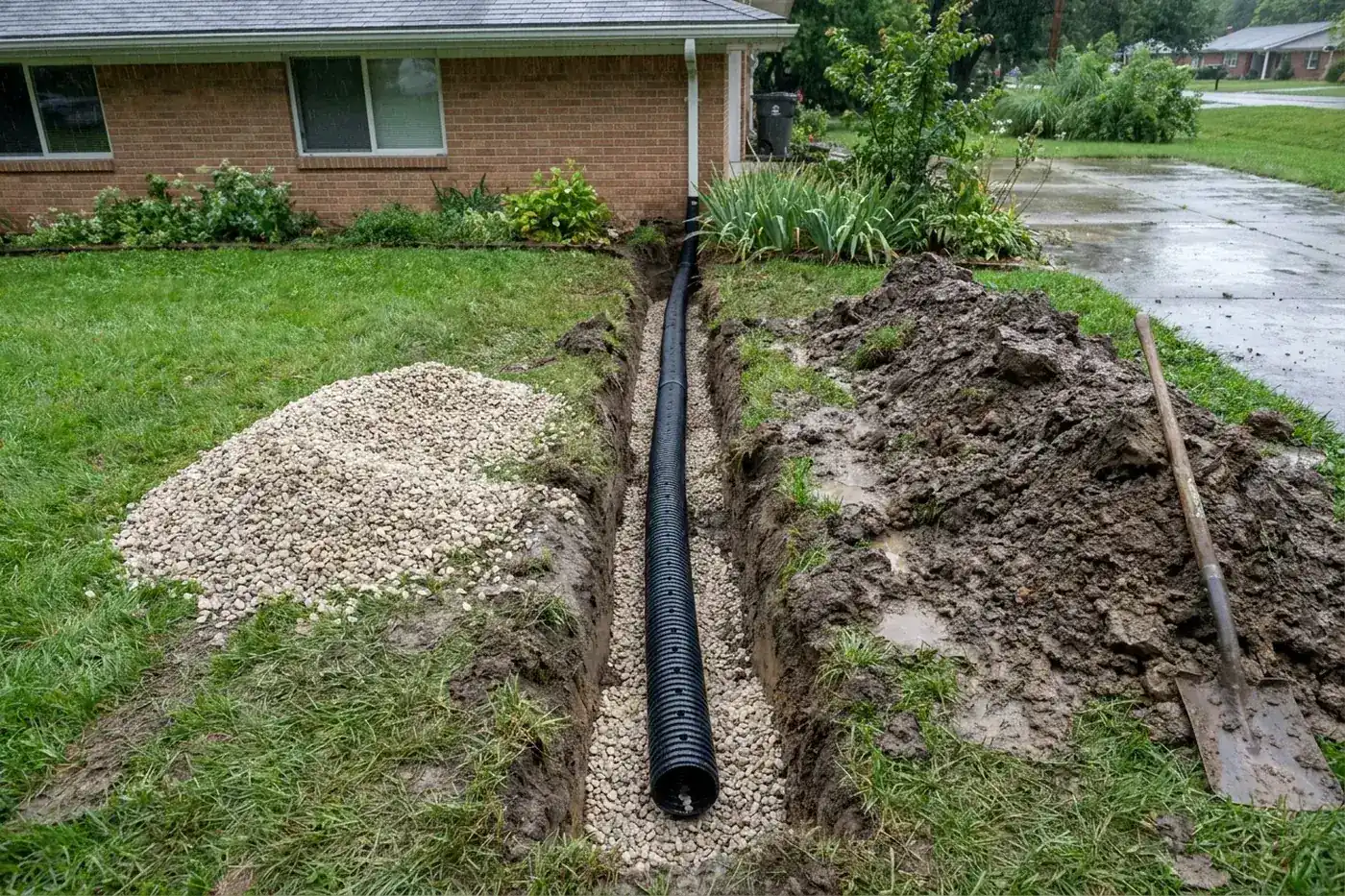
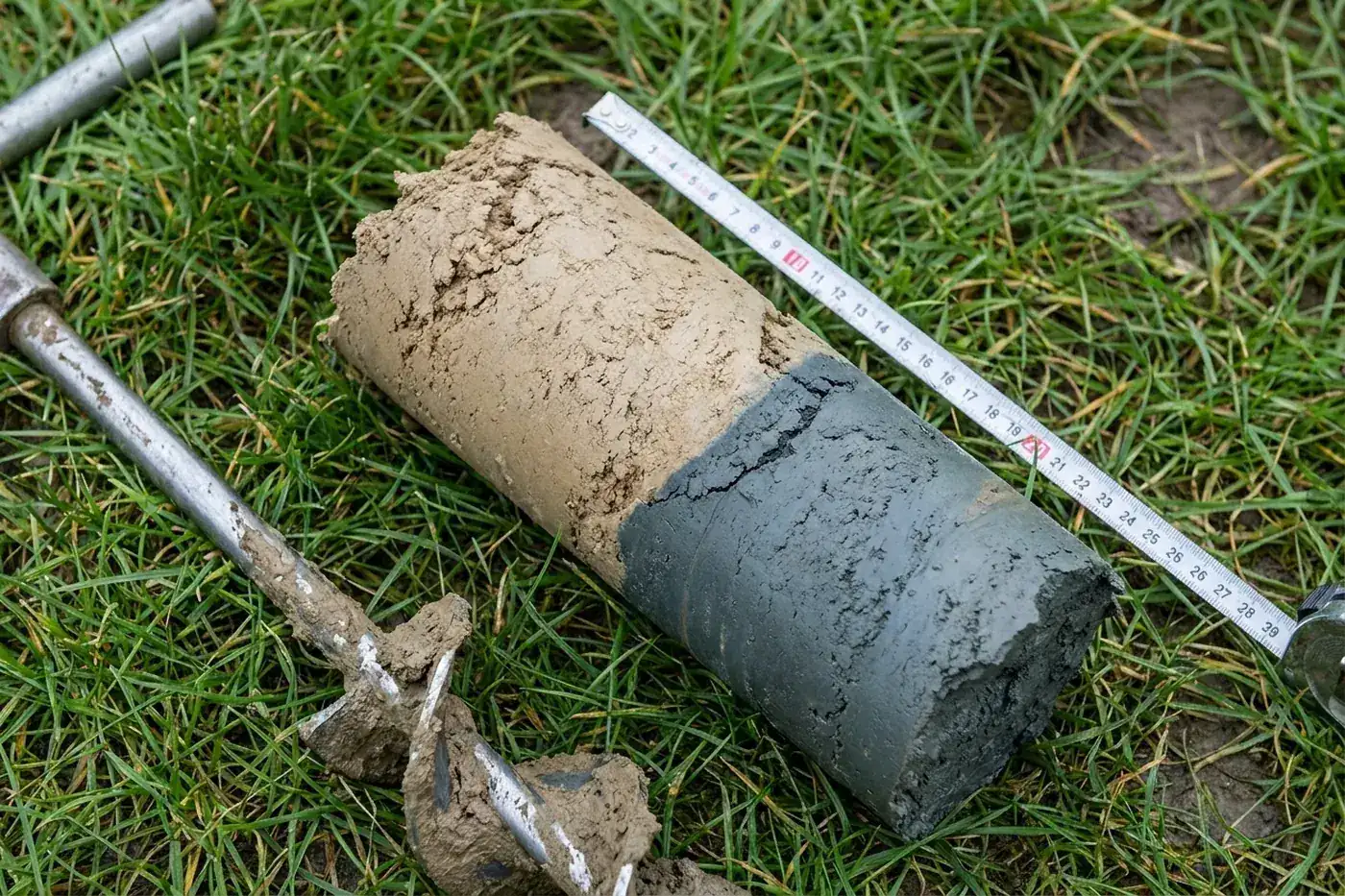
Subterranean termites care about moisture. A crawl space sitting over ground that holds water rather than draining it is a more hospitable place than one over ground that dries between wet spells.
That does not mean drainage is a pest control measure, and nobody should sell it as one. It means the same condition that softens your bearing soil and rots your sills also happens to suit the insects, which is why all three problems tend to arrive at the same houses.
The order the two trades work in
| Step | Who | Why this order |
|---|---|---|
| 1. Identify and treat | Licensed pest control | New timber in front of an active colony is a donation |
| 2. Repair the structure | Foundation specialist | Replace and reinforce what was lost, once it is safe to |
| 3. Relevel if needed | Foundation specialist | Bring the floor back after the members are sound |
| 4. Dry the ground | Foundation specialist | Make the crawl space less inviting for the next round |
Where a foundation opinion stops
A foundation specialist can tell you whether damage in front of them looks like insect galleries or like fungal rot, and what it means for the structure. They cannot tell you what species it is, whether the colony is still active, or what to do about it, and this site is not going to guess at any of those when it spends its length arguing for evidence over assertion.
That is a licensed pest control operator’s work. Ask them; then talk to the foundation specialist about the timber.
Termites, answered plainly
Do termites cause foundation problems?
They damage structural timber, which on a raised house is part of what holds the floor up. They do not damage concrete or masonry. So on a slab house the answer is essentially no; on a raised house, damaged sills and joists produce exactly the sloping, bouncing floor that gets called a foundation problem.
How bad are Formosan termites in Louisiana?
The LSU AgCenter records them as the most destructive structural pest in the state, present in 42 of Louisiana's 64 parishes. Colonies reach around 10 million individuals against roughly 1 million for the native subterranean species.
Does damp ground make it more likely?
It is a favourable condition. Moisture matters to subterranean termites, and a crawl space over ground that stays wet is a more hospitable environment than one over ground that drains. That is why this sits on a drainage-focused site at all.
Can the foundation specialist treat them?
No. A foundation repair contractor is not a pest control operator. Identification, confirming whether an infestation is active, and treatment all belong to a licensed pest trade, and a good specialist hands that over rather than improvising around it.
What does the foundation specialist do, then?
Repair and replace damaged structural timber, once the pest side is under control. They can also tell you whether the damage pattern in front of them matches insect activity or fungal rot, which is a useful thing to know before you call anybody.
Which comes first, treatment or repair?
Treatment. Replacing timber while an infestation is active puts new wood in front of the same colony. Get the pest trade in, then repair the structure, then deal with the moisture so the conditions are less inviting next time.
Book a Lafayette site visit
The single most useful thing you can tell us is what your yard does after heavy rain — whether water stands, for how long, and in which corner. On this ground that observation narrows the diagnosis further than any description of a crack. Say whether the house is raised or on a slab too. A local specialist serving Lafayette calls you back.